


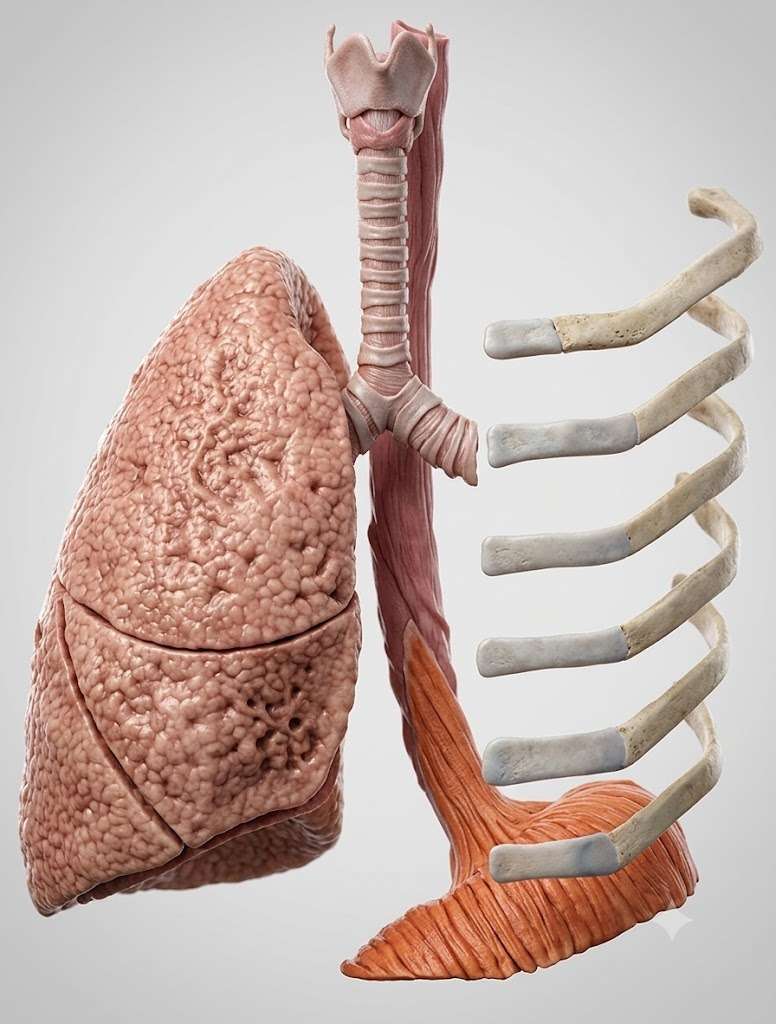
Thoracic surgery is a highly specialized branch of surgery dedicated to the diagnosis, surgical treatment, and comprehensive management of diseases affecting the structures within the thoracic cavity. The specialty encompasses disorders of the lungs, pleura, esophagus, trachea and central airways, mediastinum, diaphragm, pericardium, and chest wall.
One of the principal areas of thoracic surgery is the management of pulmonary and pleural diseases. Surgical treatment of lung cancer—the most common malignancy treated by thoracic surgeons—includes anatomical pulmonary resections such as segmentectomy, lobectomy, bilobectomy, and pneumonectomy, accompanied by systematic mediastinal lymph node dissection. Thoracic surgeons also perform lung biopsies for the diagnosis of interstitial lung diseases, surgical management of primary and secondary pneumothorax, bullectomy, decortication for empyema, pleurodesis for recurrent pleural effusions or recurrent pneumothorax, and a wide range of procedures for pleural disorders.
In the field of esophageal surgery, thoracic surgeons play a pivotal role in the treatment of esophageal cancer through esophagectomy and reconstruction of the upper gastrointestinal tract. They also manage achalasia with esophageal myotomy, perform resection of esophageal diverticula, repair esophageal fistulas, and treat traumatic or iatrogenic esophageal injuries. Esophageal surgery is among the most technically demanding procedures in gastrointestinal surgery and requires meticulous preoperative planning and close collaboration within a multidisciplinary team.
Management of mediastinal diseases constitutes another major component of thoracic surgery. This includes resection of mediastinal tumors such as thymomas, neurogenic tumors, congenital cysts, and other mediastinal masses; thymectomy for patients with myasthenia gravis; mediastinoscopy and other techniques for mediastinal lymph node biopsy and staging of lung cancer; as well as resection of substernal (retrosternal) goiters.
Thoracic surgeons are also responsible for the management of diseases involving the trachea and central airways. These include treatment of benign and malignant tracheal stenosis, tracheal resection and reconstruction, repair of tracheoesophageal fistulas, and management of other complex airway disorders. Such procedures require extensive surgical expertise and specialized experience.
Chest trauma is another important domain of thoracic surgery. Thoracic surgeons manage both penetrating and blunt thoracic injuries, control intrathoracic hemorrhage, repair injuries involving the lungs, diaphragm, esophagus, trachea, and chest wall, and perform emergency thoracotomy in carefully selected patients when indicated.
Correction of congenital or acquired chest wall deformities and chest wall reconstruction are also integral aspects of the specialty, aiming to improve respiratory function and enhance cosmetic outcomes.
From a technical standpoint, open thoracotomy remains the standard approach for many complex thoracic procedures, providing excellent exposure to intrathoracic structures. However, video-assisted thoracoscopic surgery (VATS) has become an established minimally invasive technique for the treatment of many thoracic diseases. Compared with open surgery, VATS offers reduced postoperative pain, shorter hospital stays, faster recovery, and earlier return to normal daily activities.
Thoracic surgery is inherently multidisciplinary. Optimal patient care requires close collaboration with specialists in pulmonology, medical oncology, diagnostic and interventional radiology, pathology, nuclear medicine, anesthesiology, and critical care medicine. A thorough understanding of respiratory physiology, perioperative critical care, and the prevention and management of postoperative complications is essential for every thoracic surgeon.

Dear Colleagues,
Happy New Year to you all.
Due to the disruption of WhatsApp and the resulting inability to access our group, it was not possible to collaborate or provide a report on the Association’s activities during the first six months. Therefore, I decided to send this message individually to each of you.
This message serves as the Six-Month Performance Report of the Board of Directors.
1. Tariffs
The process of revising professional tariffs is both complex and time-consuming. Several internal meetings of the Board of Directors were held to discuss this matter. A delegation was selected to represent the Association and the Board and was introduced to the Ministry of Health. The representatives held several meetings with the officials responsible for tariff regulations.
The final outcome of these meetings was an agreement in principle to increase the tariffs. However, due to the outbreak of the war, and contrary to previous assurances, the authorities did not approve the figures we had proposed. Nevertheless, the tariffs were revised with a reasonable and relatively satisfactory increase. This represents a significant achievement, as the tariffs related to thoracic surgery had remained unchanged for a long period.
The Board considers it its responsibility to continue pursuing this matter during the second half of the year and will keep all members informed of further developments.
2. Iranian Society of Thoracic Surgeons Website and Membership Cards
The Association’s website has been designed and launched. The original plan was for membership applications to be completed online and membership cards to be issued through the website. Unfortunately, due to the current internet restrictions, this system is not yet operational.
Therefore, it has been decided to send the membership application form together with this message. Once members submit their complete information, membership cards will be printed and mailed to them.
3. Company Registration
The legal registration process of the Association is currently underway.
4. Office of the Iranian Society of Thoracic Surgeons
The Association’s office has been established at the headquarters of the Iranian Society of Surgeons and has been fully equipped with the necessary office furniture and facilities.
5. Scientific Program of the Society at the Iranian Society of Surgeons Congress
Dr. Shirinzadeh was introduced to the Iranian Society of Surgeons as the Scientific Secretary of the Iranian Society of Thoracic Surgeons. The Board also held several meetings to plan the scientific program for the congress. However, due to the prevailing circumstances, the Congress of the Iranian Society of Surgeons was cancelled and postponed until next year.
Membership Fee
Finally, we kindly request all members to pay the membership fee for the second six-month period, amounting to 50,000,000 Rials (5 million Tomans), to the Association’s bank account (a joint account held by Dr. Bagheri and Dr. Eshraqi at Bank Mellat).
Card Number: 6104 3310 9197 2100
Account Number: 7484119804
IBAN: IR94 0120 0200 0000 7484 1198 04
After making the payment, please send a copy of the payment receipt to Ms. Ghanbari via the Baleh, Eitaa, or Rubika platforms at +98 912 627 0342 to receive confirmation.
Thank you for your continued support.
Dr. Reza Bagheri
Secretary, Iranian Society of Thoracic Surgeons
May 10, 2026 (20 Ordibehesht 1405)
دوازدهمین کنگره بینالمللی بیماریهای ریه، مراقبتهای ویژه و سل
12th International Congress on Pulmonary Diseases, Intensive Care and Tuberculosis
برگزارکننده:
مرکز آموزشی، پژوهشی و درمانی سل و بیماریهای ریوی دکتر مسیح دانشوری
زمان برگزاری:
📅 ۱۴ تا ۱۷ مهرماه ۱۴۰۵
📅 6–9 October 2026
محل برگزاری:
مرکز همایشهای بینالمللی شهید بهشتی (ابوریحان)
ارسال مقالات
* آخرین مهلت ارسال مقاله: تا پایان تیرماه ۱۴۰۵
* اعلام نتایج پذیرش مقالات: تا پایان مردادماه ۱۴۰۵
* امتیاز بازآموزی: دارای حداکثر امتیاز بازآموزی
محورهای کنگره
* بیماریهای انسدادی ریه (COPD، آسم)
* بیماریهای بینابینی ریه (ILD)
* بیماریهای عروق ریوی (PH)
* فیبروز ریوی (IPF)
* بیماریهای پلور و مدیاستن
* عفونتهای ریوی، سل، HIV، عفونتهای قارچی، ویروسی و باکتریایی
* سل مقاوم به درمان، کووید-۱۹ و Long COVID
* جراحیهای قفسه سینه، گوش، حلق و بینی
* بیماریهای ریوی اطفال
* اختلالات خواب
* اعتیاد و بیماریهای ریوی
* آسیبشناسی، ایمونوپاتولوژی، پاتولوژی مولکولی و پاتولوژی بالینی بیماریهای ریوی
* بیماریهای قلبی–ریوی و نارسایی قلبی–ریوی
* مراقبتهای ویژه
* تصویربرداریهای تشخیصی در بیماریهای ریوی
* آلودگی هوا و بیماریهای شغلی مرتبط با بیماریهای ریوی
* بازتوانی و تهویه غیرتهاجمی ریوی
* فارماکولوژی سیستم تنفسی
* تستهای عملکرد ریه و تست ورزش قلبی–ریوی
* فناوریهای نوین و هوش مصنوعی در بیماریهای ریوی
* PET/CT و پزشکی هستهای در تشخیص و درمان بیماریهای ریوی
* پرستاری بیماریهای ریوی
* مبانی طب خواب
* طب تسکینی در بیماریهای ریه
* تغذیه در بیماریهای ریوی
* پزشکی هستهای در بیماریهای ریوی
* سالمندی و طب سالمندی در بیماریهای
برای کسب اطلاعات بیشتر به بنر مراجعه فرمایید.
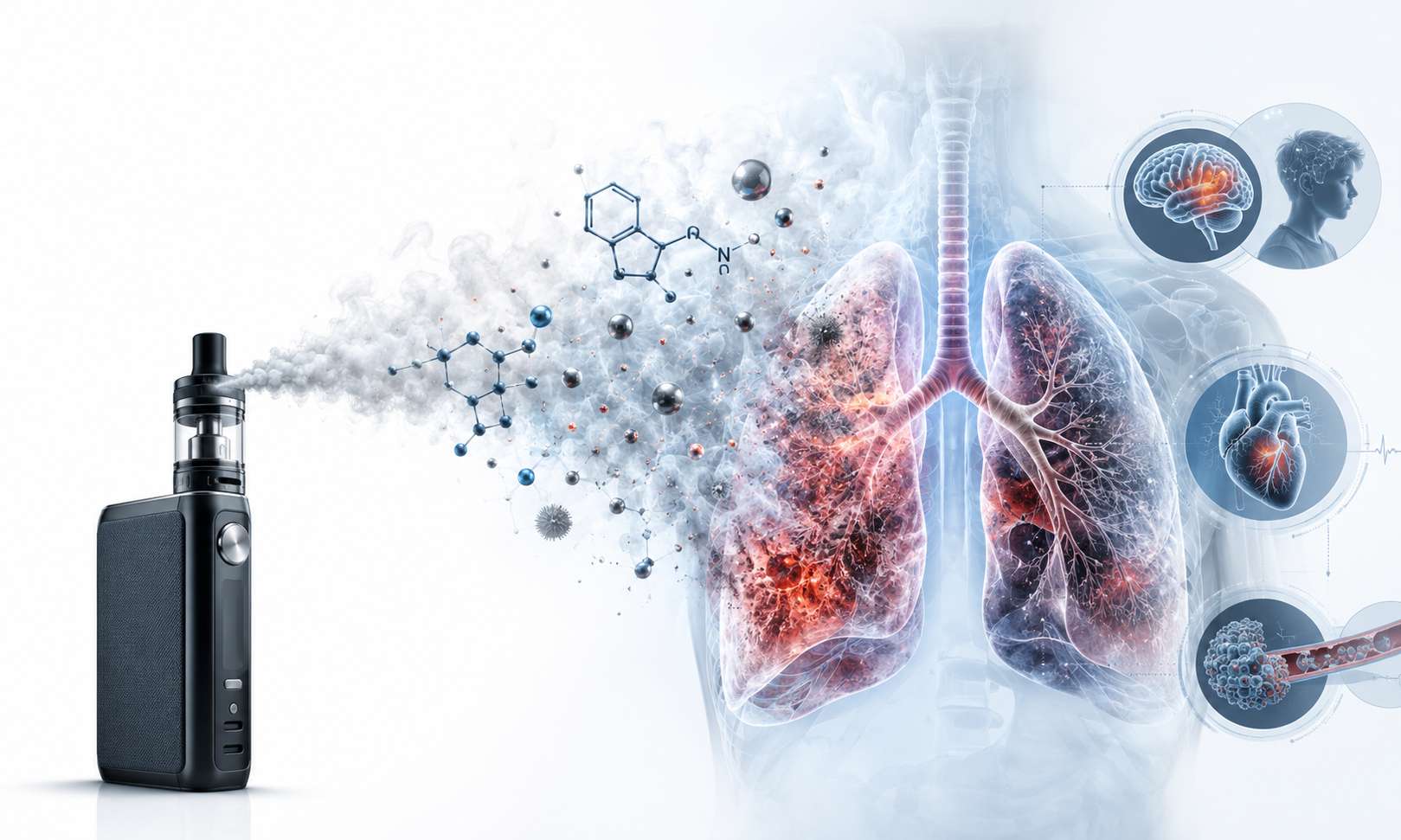
در دو دهه اخیر، مصرف سیگارهای الکترونیکی یا ویپ به یک اپیدمی جهانی به ویژه در میان نوجوانان و جوانان تبدیل شده است. بر اساس گزارش سازمان جهانی بهداشت (WHO) در سال ۲۰۲۳، نرخ مصرف ویپ در کشورهای با درآمد بالا مانند ایالات متحده و بریتانیا در گروه سنی ۱۵ تا ۲۴ سال به بیش از ۱۵٪ رسیده است. محبوبیت این دستگاهها عمدتاً ناشی از تبلیغات گمراهکننده مبنی بر «کم ضررتر بودن» نسبت به سیگارهای سنتی، طراحی جذاب و طعمهای متنوع است. با این حال، مطالعات اپیدمیولوژیک نشان داده که ویپ نه تنها به عنوان دروازهای برای مصرف سیگارهای معمولی در افراد غیرسیگاری عمل میکند، بلکه خود با شیوع فزاینده مسمومیتهای حاد ناشی از نیکوتین و صدمات ریوی مرتبط همراه است.
از نظر عوارض بالینی، مصرف ویپ با آسیب حاد ریه مرتبط با استفاده از سیگار الکترونیکی یا ویپینگ (EVALI) همراه است که در سال ۲۰۱۹ بیش از ۲۸۰۰ مورد بستری و ۶۸ مرگ تأیید شده در آمریکا داشت. ماده اصلی ایجادکننده در بسیاری از این موارد، ویتامین E استات در محصولات حاوی تتراهیدروکانابینول (THC) بود، اما فرمالدئید، آکرولئین و فلزات سنگین (مانند قلع و نیکل) ناشی از سیمهای حرارتی نیز به التهاب مزمن راه هوایی، استرس اکسیداتیو و افزایش خطر بیماریهای قلبی-عروقی منجر میشوند. همچنین نیکوتین موجود در ویپ موجب اعتیاد شدید، اختلال در رشد مغز نوجوانان (با تأثیر بر حافظه و توجه) و افزایش فشار خون و ضربان قلب میشود. شواهد جدید همچنین به ارتباط احتمالی ویپ با آسم، تشدید بیماری انسدادی مزمن ریه (COPD) و افزایش حساسیت به عفونتهای تنفسی مانند کووید-۱۹ اشاره دارند.